The Architecture Behind the Ecosystem: What a Family Recycling Operation Teaches Us About Building Systems That Scale
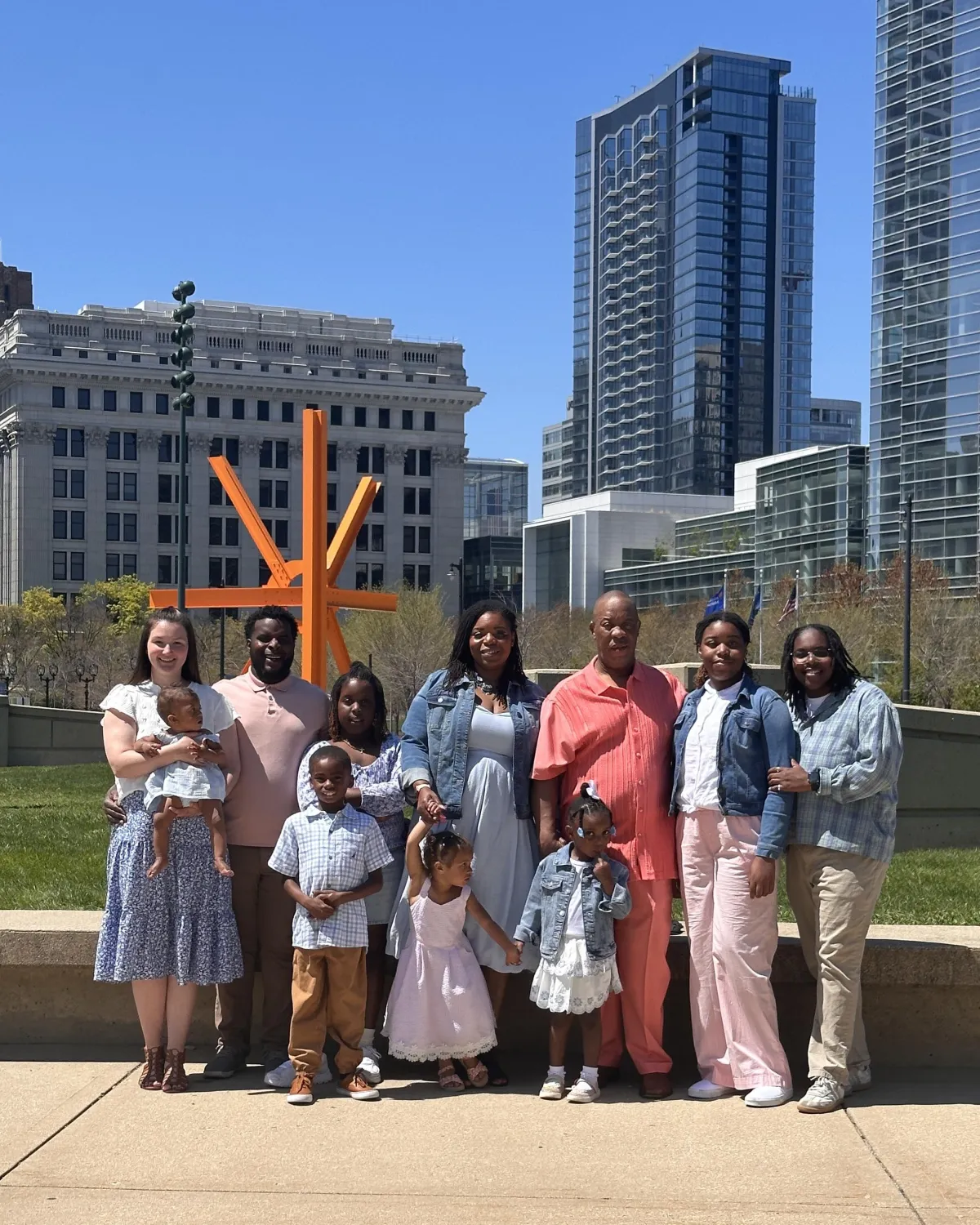
Most people hear the word sustainability and think about solar panels, carbon offsets, and corporate pledges. They do not think about a Black family in Milwaukee processing over one million tires a year while simultaneously recovering automotive parts and scrap metal across three separate businesses.
But that is exactly what the Broxton family has built. And the reason it works is not passion. It is not purpose. It is systems.
What the Ecosystem Actually Looks Like
Tires Express, led by Eric Broxton with over 40 years of experience in tire recycling, processes more than one million tires annually through a trailer drop program serving scrapyards, municipalities, and fleet operators across the region. All Scrap Metal Recycling handles metal recovery. Select Auto Parts and Sales, the 125,000 square foot indoor automotive recycling facility I founded 14 years ago, handles end-of-life vehicle processing and parts recovery.
Three businesses. Three distinct operations. One family. And together they cover virtually every phase of the automotive end-of-life cycle.
That is not an accident. That is architecture.
The Systems Principle Most Operators Miss
When I talk to small business operators about AI modernization and operational scaling, the first thing I ask is not what tools they are using. I ask how their business is actually structured. Because technology applied to a broken or disconnected operation does not fix the operation. It amplifies the problems already inside it.
What the Broxton family built over decades without calling it anything is what I now call an integrated operations ecosystem. Each business handles a distinct function. Each function feeds or supports the others. The customer who brings a vehicle to Select Auto Parts may also have tires that route to Tires Express. The metal recovered from that vehicle routes to All Scrap Metal Recycling. Nothing is wasted because the system was built to capture every output.
That is the same principle behind every AI roadmap I build for clients through Alitura Group. Before we talk about automation, we map what already exists. Before we deploy a tool, we ask what problem it is actually solving and where that solution connects to the rest of the operation.
What Nakayla Represents
My daughter Nakayla Myrick-Broxton is already active across the businesses, working in sales at Select Auto Parts while supporting customer referrals across the family's full recycling network. She is not just next generation in name. She understands how the businesses connect because she operates inside the connections.
This is the part most succession plans miss. You cannot hand someone a business. You have to hand them the system. If they understand the architecture, they can run it, grow it, and evolve it. If they only understand their corner of it, the whole thing eventually fractures.
Building for succession is building for systems. They are the same discipline.
What This Means for Your Business
You do not need three businesses to think in ecosystems. You need one business built on clear operational architecture, where every function connects to another, where every output has a destination, and where the people inside the operation understand not just their role but how their role feeds the whole.
That is what AI modernization looks like when it is done right. Not a chatbot bolted onto a broken process. Not automation layered over guesswork. Systems that were designed to connect, and technology deployed to make those connections faster, smarter, and more scalable.
The Broxton family did not build their ecosystem overnight. They built it the way every durable operation gets built: one intentional decision at a time, over years, with discipline and without shortcuts.
That is the work. And it is available to any operator willing to do it.
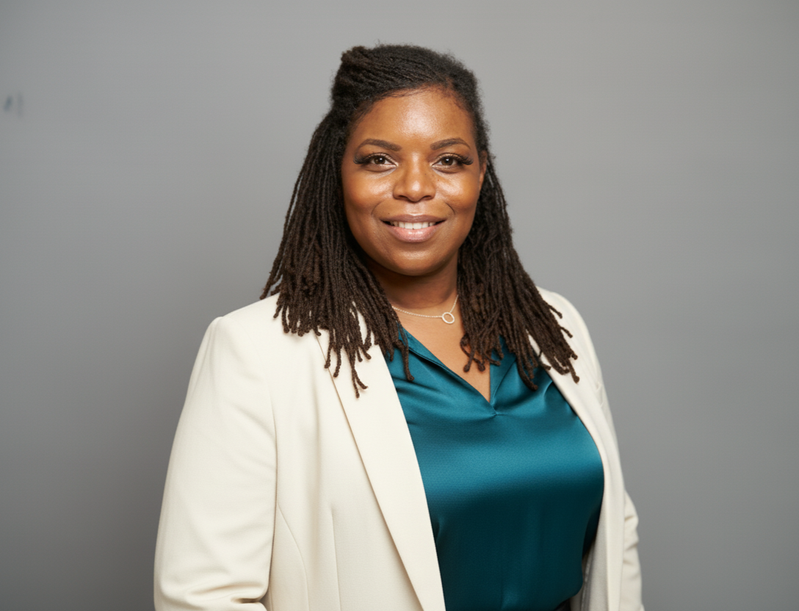
Natasha Broxton is the founder of Alitura Group, an AI modernization consulting firm helping operators build systems that scale. She is a Goldman Sachs 10KSB Scholar, U.S. Chamber CO-100 Honoree, and was recently featured by Google as part of their Portraits of AI Across America campaign. Explore the AI Roadmap at airoadmap-cdpfdyp5.manus.space or book a strategy session at alituragroup.com/AI-STRATEGY-SESSION.