The Small Business Preparedness Gap Is Bigger Than Most Owners Realize
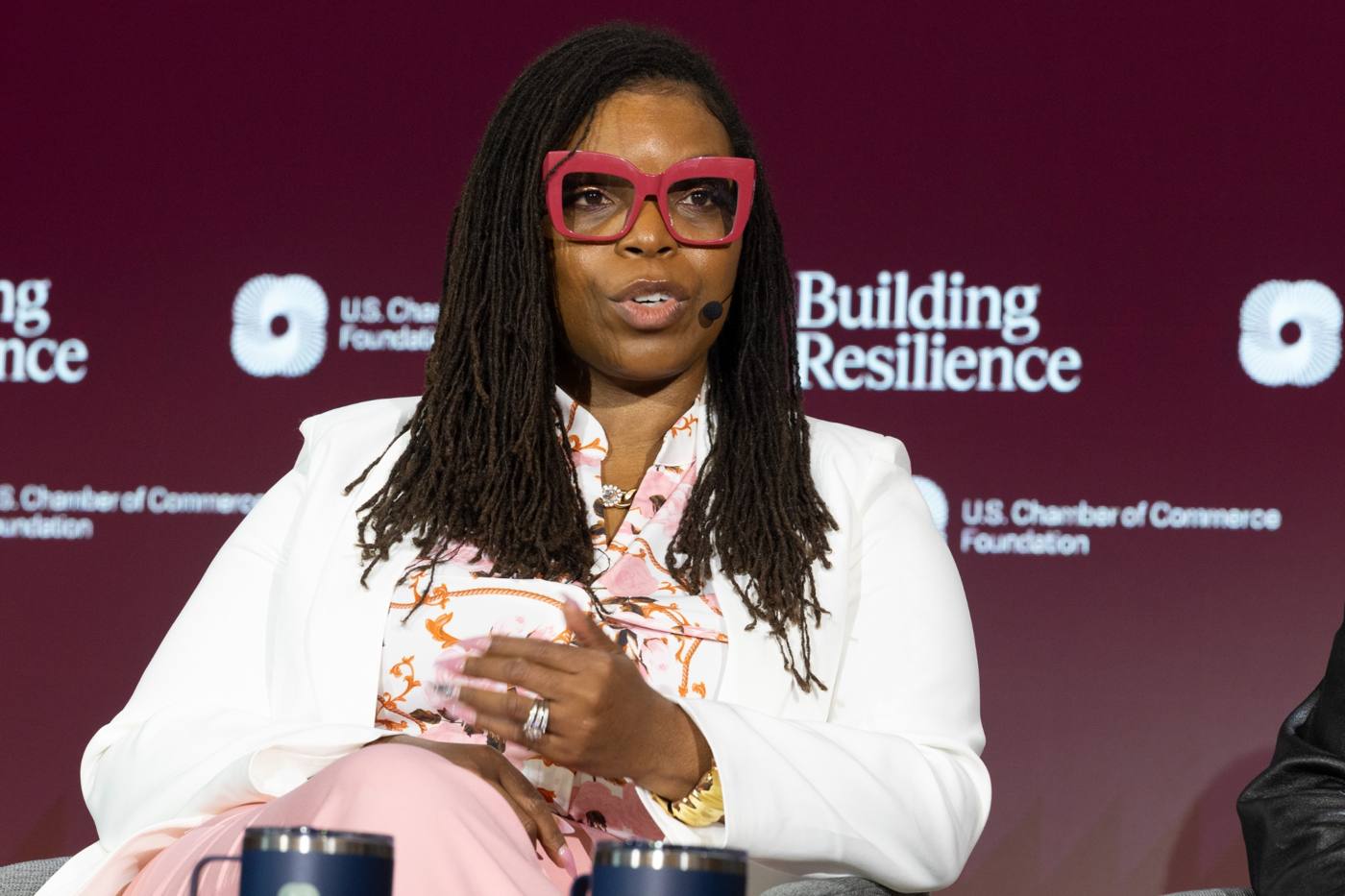
Last week, I was in Washington, D.C. at the U.S. Chamber Foundation’s 2026 Building Resilience Conference. One statistic about small business resilience from the event has stayed with me ever since:
94% of small business owners believe they could recover from a disaster.
But 69% do not actually have a disaster plan in place.
That gap says a lot about how many businesses are operating right now.
And honestly, this conversation is bigger than natural disasters.
Because disruption does not always show up as a hurricane, flood, or fire.
Sometimes disruption looks like:
• the owner getting sick
• a key employee leaving
• communication breaking down
• customer follow-up slipping
• systems living in one person’s head
• nobody knowing the process except the founder
A lot of small businesses are still running on tribal knowledge, memory, and manual processes.
That works… until it doesn’t.
At the conference, I talked about something I see often inside operations:
Resilience still lives inside the owner instead of inside the business.
That creates fragility.
If one person has to remember everything, approve everything, explain everything, and solve everything, the business becomes vulnerable very quickly when disruption happens.
I know this because I have lived it.
I run Select Auto Parts & Sales, Milwaukee’s only fully indoor auto recycling facility. Over the years, we have had to build systems that reduce dependency on memory and create more operational consistency across the business.
Not because systems are trendy.
Because real businesses need structure to survive growth, disruption, staffing changes, and operational complexity.
That is also why I started Alitura Group.
A lot of business owners think they need AI.
What they actually need first is operational clarity.
Because if the workflows are unclear before AI, technology usually magnifies the confusion instead of solving it.
The businesses that will adapt best over the next few years are not necessarily the ones with the most tools.
They are the ones with:
• documented processes
• communication systems
• operational visibility
• shared knowledge
• consistency
• structure
Preparedness today is not only about disaster recovery.
It is about whether your business can continue operating when pressure shows up.
That is a systems conversation.
And increasingly, it is a leadership conversation too.
If you want to know where to start with AI, start where the money is leaking.
Take the free AI Roadmap:
airoadmap-cdpfdyp5.manus.space
Or book an AI Strategy Session:
alituragroup.com/AI-STRATEGY-SESSION