Small Businesses Face a New Risk: Being Invisible Before the First Call
October 19, 2026 | 6 min read
Small Businesses Face a New Risk: Being Invisible Before the First Call
October 19, 2026 | 6 min read
For millions of small businesses, the next competitive barrier may appear before a sales conversation, contract inquiry, or partnership meeting ever begins. Customers and decision makers use search results, maps, reviews, websites, and media coverage to decide which businesses appear credible enough to contact.
A qualified company that is difficult to find, understand, or verify can be excluded before it knows an opportunity existed.
That visibility gap has consequences beyond marketing. When qualified small businesses are hard to find or verify, customers have fewer choices, buyers miss capable suppliers, and growth can flow toward the easiest to find company rather than the best equipped one.
The Scale of the Problem
The U.S. Small Business Administration Office of Advocacy reports that the nation has 36.2 million small businesses. Most of them serve local markets where online discovery determines whether a potential customer ever walks through the door, calls, or submits a form.
Business decisions increasingly form before direct contact. Search results, local listings, reviews, websites, and media coverage help determine which firms appear credible enough to consider. If your business does not show up in those channels, it does not matter how good your work is. The buyer never sees you.
What Visibility Actually Means
Visibility is not about being everywhere. It is about being findable and verifiable in the places where decisions get made.
That means your Google Business Profile has accurate hours, services, and photos. It means your website loads, answers questions, and does not look abandoned. It means customer reviews exist and are recent. It means a search for your name or your industry in your city returns something real.
The FTC's Consumer Reviews and Testimonials Rule reinforces that authentic, verifiable reviews matter more than ever. Fake or misleading reviews damage trust and now carry legal risk. Real visibility is built on real proof.
Visibility is not pretending to be bigger than you are. It is making the truth about your work easier to verify.
Why This Is an Access Issue, Not a Marketing Issue
When people talk about small business barriers, they usually talk about capital, technology, or talent. Those are real. But a new barrier has emerged that is quieter and harder to address: discoverability.
If a qualified supplier cannot be found in a search result, on a map, or in a review platform, they are effectively excluded from the market. Not because their work is not good enough. Because the information about their work is not accessible to the people making decisions.
Improving discoverability can expand customer choice, strengthen local supplier networks, and help capable community businesses compete for customers, contracts, partnerships, and media attention. This is not about marketing spend. It is about making sure the work you already do is visible enough to be chosen.
What to Do About It
Start with the basics. Claim your Google Business Profile. Update your hours, services, and photos. Ask satisfied customers for reviews. Make sure your website answers the questions a buyer would ask before contacting you.
Then look at whether your business shows up when someone searches for your industry in your city. Not your name. Your industry. If you are a Milwaukee auto recycler, does a search for used auto parts Milwaukee return your business? If you are an AI consultant in Wisconsin, does a search for AI consulting Wisconsin show your work?
If the answer is no, that is your visibility gap. And it is costing you opportunities you do not even know about.
Visibility is not a vanity metric. It is an access issue. The businesses that are findable and verifiable will capture the opportunities. The ones that are not will wonder why the phone stopped ringing.
Want Natasha to speak on small business visibility at your event?
Natasha Broxton speaks on discoverability, visibility, and how qualified small businesses can compete in a search first economy.
See Speaking TopicsAlitura Group | AI Consulting, Training, and Speaking
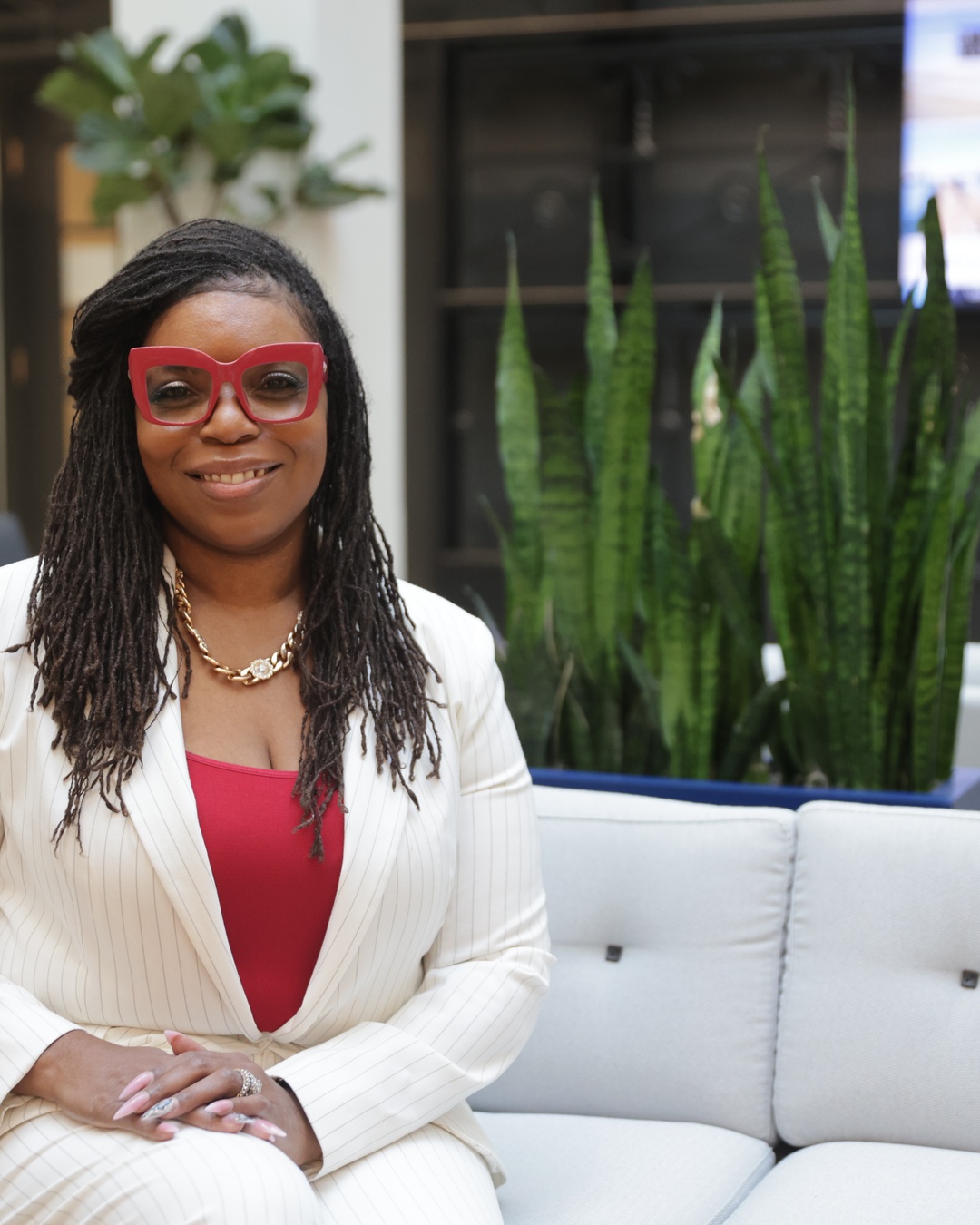
Natasha Broxton is an award winning CEO, entrepreneur, speaker, and AI consultant based in Milwaukee, Wisconsin. She is the founder and CEO of Select Auto Parts and Sales, a 125,000 square foot automotive recycling facility, and founder of Alitura Group, providing AI consulting and training for small business owners.
Alitura Group | Operator led AI modernization and systems strategy | alituragroup.com