Women in Automotive Trades: Why the Data Cannot Show the Full Picture
September 14, 2026 | 5 min read
Women in Automotive Trades: Why the Data Cannot Show the Full Picture
The automotive industry has a data problem. Federal and industry sources track women in automotive trades, but the numbers cannot capture the full picture. What we do know is that women remain significantly underrepresented in skilled automotive roles.
I have spent over a decade building and operating a 125,000 square foot automotive recycling facility in Milwaukee. I am one of very few women running this kind of operation. And I can tell you the future of this industry is going to require more technology, more skilled people, and more creative leadership.
The Numbers We Can See
The data that exists tells us women make up a small fraction of the skilled trades workforce in automotive repair, recycling, and manufacturing. But the data has gaps. Many roles in the automotive recycling industry are not consistently categorized. Independent operators, family businesses, and small facilities often fall outside standard labor reporting. The result is an incomplete picture that likely understates both the challenge and the progress.
What we can see is this: the pipeline is narrow. Women who enter the trades often do so through nontraditional pathways. Trade school programs, apprenticeships, and on the job training rarely target women specifically. And once women are in the industry, retention becomes the next challenge.
What Is Actually Keeping Women Out
The conversation about women in automotive cannot stop at representation counts. It has to address what is actually keeping women out.
Access to training. Awareness that these careers exist. Pathways into skilled roles that do not require a four year degree. And once women are in, cultures that retain them.
When I started in automotive recycling, there was no playbook for a woman running a salvage yard. I built the operation by learning the business, understanding the systems, and applying the same operational discipline I would bring to any industry. The barrier was not capability. It was awareness that this path existed and access to the networks that could open the door.
The Opportunity AI Creates for Women in Automotive
The automotive industry is changing. AI, automation, and new operational systems are reshaping how parts are sourced, inventoried, sold, and recycled. The businesses that will lead this transition are the ones building teams that can adapt.
This is where the opportunity is. The industry needs people who understand both the operational side and the technology side. Women who are entering automotive trades today have the chance to be the ones who bring both skill sets. The industry is not just looking for wrench turners anymore. It is looking for operators who can run the systems, manage the data, and make technology work inside a real business.
In my own operation, AI now handles inventory organization, customer intake, marketing, and internal communications. The skills that matter most are not mechanical alone. They are operational, analytical, and adaptive. That is an entry point for women who might not have considered automotive before.
What Needs to Happen Next
Women are already proving they can lead in this space. We need more pathways to let them in. That means:
Trade schools and training programs actively recruiting women into automotive tracks. Industry associations creating mentorship and sponsorship programs for women in automotive trades. Dealerships, salvage yards, and repair shops building cultures that retain women, not just hire them. And the industry itself telling the story that this career path exists and is viable.
The future of automotive is going to require more technology, more skilled people, and more creative leadership. Women are ready to be part of that future. The industry needs to make room.
Want Natasha to speak at your event about women in automotive, AI, or entrepreneurship?
See more speaking topics and availability.
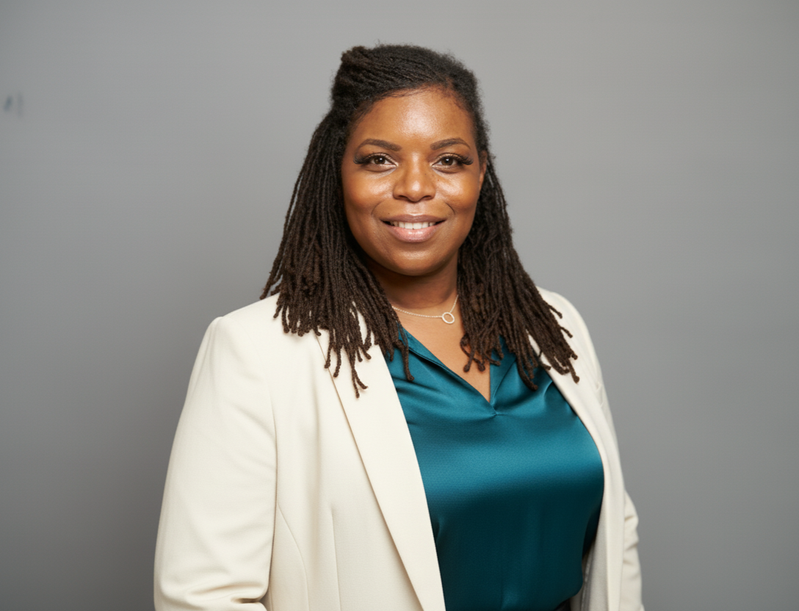
See Speaking TopicsNatasha Broxton is an award winning CEO, entrepreneur, speaker, and AI consultant based in Milwaukee, Wisconsin. She is the founder and CEO of Select Auto Parts and Sales, a 125,000 square foot automotive recycling facility, and founder of Alitura Group, providing AI consulting and training for small business owners.
Alitura Group | Operator-led AI modernization and systems strategy | alituragroup.com